The Girl In The Second Pew
Trying to belong.
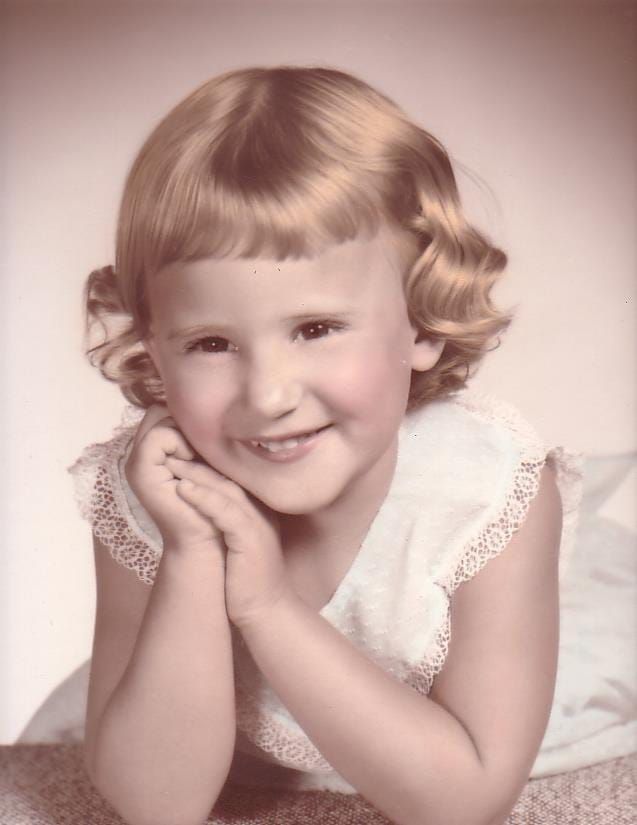
Every Sunday I went to church.
If there was a service, a meeting, a choir rehearsal, or a youth activity, chances are I was there.
My grandmother took us on Sunday mornings. My grandfather took us back on Sunday evenings. Between Sunday School, worship services, Girls’ Auxiliary, Training Union, Vacation Bible School, youth choir, and potluck dinners, church became the place I knew best.
The sanctuary was large, with hundreds of people filling the pews each Sunday. The families seemed to fit together so naturally. Mothers and fathers sat side by side with well-dressed children who seemed to know exactly where they belonged.
I wanted that feeling.
I knew all the Bible stories. I memorized Scripture. I sang with all my heart when we reached the words, “Jesus loves the little children, all the children of the world…” I believed He did.
The adults church members knew things about me that I wished they didn’t.
They knew my parents had married as teenagers. They knew they had divorced… and then remarried… and divorced again before I was even in first grade.
They knew my parents didn’t come to church. They knew I lived with my grandparents in a small, crowded house where several generations shared life together.
I had done nothing wrong, yet somehow my family’s story arrived before I did.
Sometimes I wasn’t allowed to play with certain children because their parents didn’t approve. No one said it harshly. No one stood in front of the church and announced I wasn’t welcome.
It was quieter than that. It showed up in invitations that never came. In realizing that Sunday morning friendships stopped at the church door.
In these subtle ways children learn where they fit and where they don’t. Each of my experiences quietly confirmed what I had already begun believing about myself.
Maybe I wasn’t quite enough.
Maybe there was something about me that made me different.
Maybe belonging was for other families.
As a little girl, I couldn’t separate God from the people who represented Him. The same people who taught me that Jesus loved every child also seemed to have invisible categories for which children fit their world.
I asked questions sometimes, especially when the lessons about God’s love didn’t seem to match what I was seeing. If Jesus loved all the children, why did I always feel like one of the children who didn’t quite belong?
The answers never reached the place inside me that was asking. So, I stopped asking.
Looking back now, I think people were seeing my circumstances long before they ever saw me. I didn’t know what to do with that contradiction. As a little girl, though, I couldn’t separate God from the people who spoke for Him.
Children rarely know the difference though. They simply gather evidence and build conclusions.
For me, it was just another brick added to that wall already being built around my heart.
Beneath all the confusion, I felt there was a God far kinder than my understanding of Him. I just hadn’t come to know Him yet.
That journey would take many more years to unfold.