The Lessons I Really Learned in Kindergarten
Some lessons were never written on the blackboard.
My first day of kindergarten arrived on a warm September morning along the Texas Gulf Coast.
My parents were divorced by then, but that morning my father came to walk me to school. I remember the comfort of his hand wrapped around mine as we made our way up the long sidewalk toward the big brick building.
Halfway there we heard screaming.
Across the street, my little sister, Kandy, stood on the front porch crying at the top of her lungs for us to come back. She wasn't ready for me to leave, and she certainly wasn't happy that Dad was spending the morning with me.
A knot formed in my stomach. Even then, I wondered if somehow it was my fault she was so upset.
Inside the school, the smell of waxed floors and old books filled the air. Because enrollment was larger than expected, my father and I were directed to a temporary classroom outside the main building. He pushed open the heavy door, gave me a gentle nudge inside, and left.
The door closed behind him. I suddenly felt very small.
The teacher led me to an old wooden table and pointed to my seat. There was no smile, no welcome, just instructions. My school life had begun.
Our first assignment was simple, or so everyone else seemed to think.
The teacher called each child's initials and told us to stand when we heard ours. I had never heard the term initials. I thought I might have heard “S.W.,” but I wasn't sure, so I stayed seated.
The teacher snapped her attendance book shut and scolded me for not knowing my own initials.
Not long after, she asked each of us to recite a favorite nursery rhyme. I didn't know any. When my turn came, I stood in silence, staring at the worn wooden floor while the room waited. I remember hearing the teacher mutter something about ignorant children.
That morning I concluded I must be stupid.
Later we walked inside the main school building for recess, and everything changed.
Sunlight poured through the windows of the real kindergarten classroom. There were blocks, dress-up clothes, art supplies, a climbing gym, and a teacher whose smile welcomed every child through the door.
For a moment, I forgot to be afraid. Then my teacher called us back, and just like that, the joy was gone, the sunlit room replaced by the bare walls of the room I'd been assigned to.
That afternoon we were given paper plates and black crayons to make clocks. A little boy sitting beside me playfully scribbled on my plate. I laughed and scribbled on his.
Within seconds, my teacher rushed across the room. She grabbed my hands and spanked them again and again. Then she tore up my paper plate and announced that I would not be allowed to participate in art for the rest of the week.
I lowered my head onto the table and cried as quietly as I could. My hands stung. My cheeks burned.
More than anything, I wanted to run home to my sister.
That evening my father stopped by for dinner. I never told him about my day. Instead, I asked if I really had to go back to school tomorrow. He smiled and continued talking with my mother.
Later I remembered my homework assignment: to practice skipping. I tried skipping across the living room until Dad told me to sit down and be still.
As I stretched across the sofa, twisting the pillows in my hands, one thought kept circling through my mind. What if I couldn't skip? What would my teacher do tomorrow?
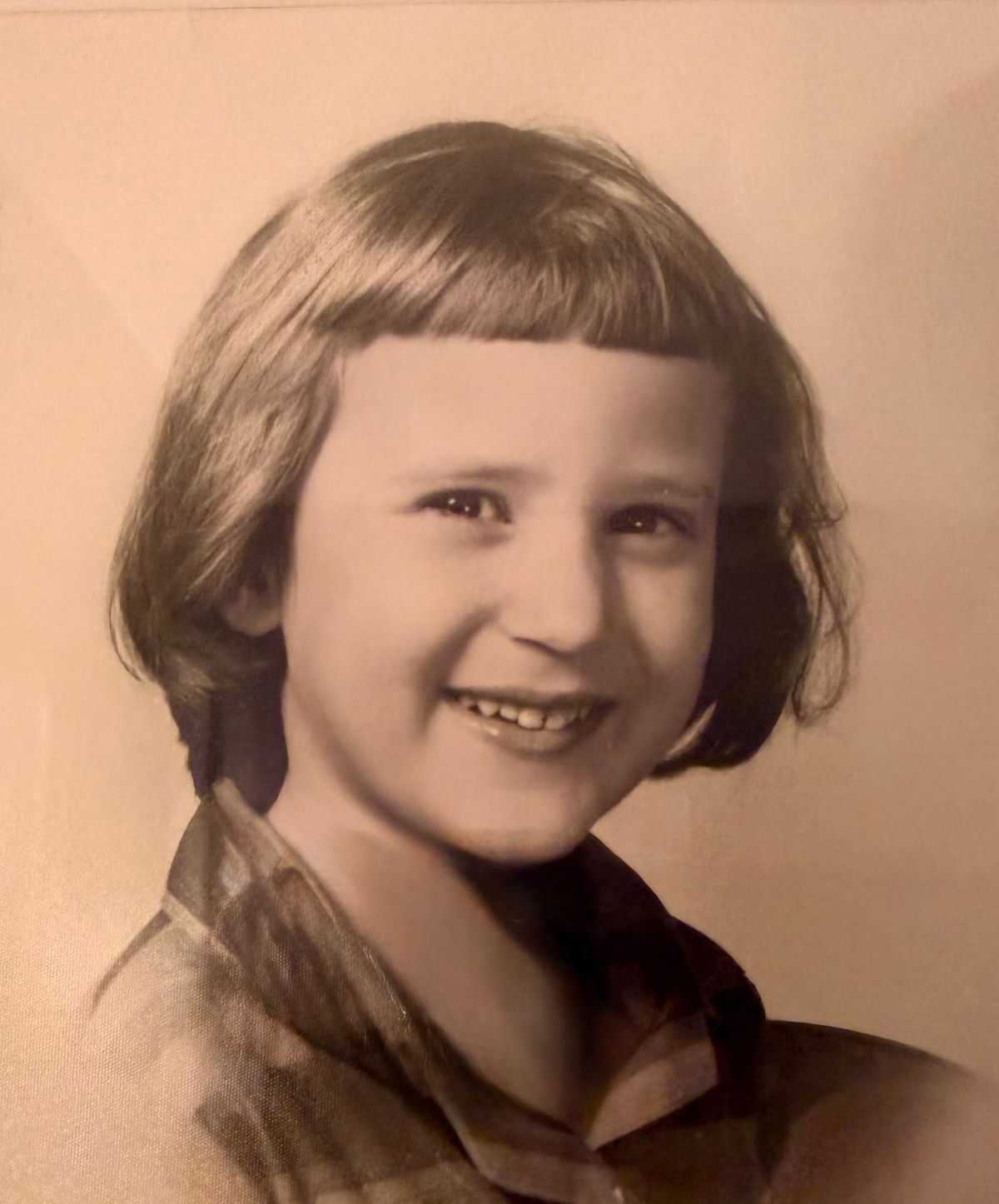
Looking back now, I can see that little girl trying to make sense of a world she didn't understand. Children have a way of turning moments into lifelong beliefs, and she believed adults were always right, so when they were impatient, disappointed, or angry, she assumed she must be the problem.
She didn't know that some teachers shame children. She didn't know that not every classroom feels safe. She didn't know that kindness and cruelty often have more to do with the adult than the child standing in front of them.
She only knew another quiet conclusion had settled deep inside her heart. Something must be wrong with me.